< img height="1" width="1" style="display:none" src="https://www.facebook.com/tr?id=2367706423682221&ev=PageView&noscript=1" /> Lyre Tuning for Beginners: Step-by-Step Guide to Perfect Your Lyre Sound

BIENVENIDO A NUESTRO BLOG

Compartimos conocimientos en las áreas que más nos fascinan.
click

Lyre Tuning for Beginners: Step-by-Step Guide to Perfect Your Lyre Sound

Por bruce January 7th, 2025 vistas 501

Lyre Tuning for Beginners: A Simple Step-by-Step Guide to Get You Playing

So, you've got a lyre and you're eager to start making music, but you're not sure how to get it in tune? Don't worry, you're not alone! Tuning a lyre can seem intimidating at first, but with this simple step-by-step guide, you'll be playing in tune in no time. Let’s dive in and make your lyre sing!
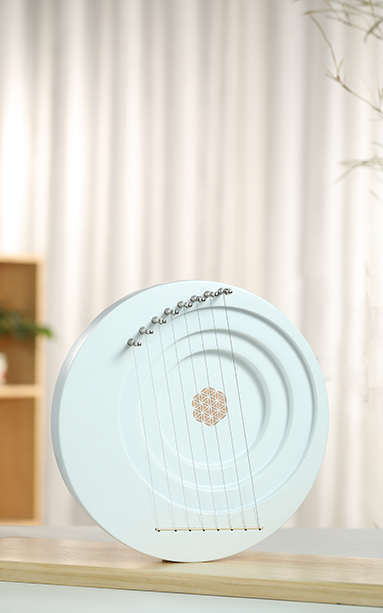
Tools You'll Need: Your Lyre Tuning Toolkit

Before we start, let’s gather our tools:

  • Electronic Tuner: This is the easiest way to get accurate tuning. You can use a handheld tuner or a clip-on tuner that attaches to your lyre. It will show you if the string is too high (sharp) or too low (flat).
  • Tuning Fork (Optional): A tuning fork gives you a reference note, usually an "A." You can use it as a starting point if you have a good ear.
  • Smartphone Tuning App (Optional): There are many free tuning apps that can be helpful. Just make sure you use one that is accurate.
  • Lyre Tuning Wrench (If Needed): Some lyres use a wrench to turn the pegs; make sure you know how to use yours correctly to avoid damaging the instrument.

Lyre Tuning Basics: What You Need to Know

What's the "Right" Note? Lyres have different tuning styles. Common ones include:

  • Diatonic: Like a piano's white keys, great for familiar tunes.
  • Pentatonic: Uses five-note scales, perfect for folk music or improvisation.

The "A" Note: Most tuning starts with the "A" note. In Western music, this is 440Hz, but some prefer a slightly lower pitch of 432Hz.

Step-by-Step: Tuning Your Lyre

  1. Tune Your Reference String: Using your electronic tuner or tuning fork, tune one string to your chosen reference pitch (usually “A”). This is your starting point.
  2. Tune the Other Strings: Now, tune each of the other strings by listening to how they sound next to your reference string.
  3. Check and Adjust: Once you’ve tuned all your strings, go back and check them again. New strings can stretch and go out of tune quickly. You may need to repeat this a few times.

Common Tuning Problems and How to Solve Them

  • Strings Slip: If your strings keep going out of tune, try using a bit of beeswax or rosin on the tuning pegs to give them more grip.
  • Broken Strings: If a string breaks, simply replace it. Make sure you use a string with the same thickness.
  • New Strings Keep Stretching: New strings will stretch out, causing them to go out of tune more often. Don't worry; this will get better over time.
  • Trouble Hearing: If you have trouble hearing the tuning, use an electronic tuner or an app with a visual indicator.

Level Up Your Tuning Skills

  • Harmonics: You can use harmonics to check your tuning. Gently touch the string at the halfway point while playing it; this will produce a higher-pitched tone that should align with your other string.
  • Octaves: Strings an octave apart should sound clear and pure when played together.

Keeping Your Lyre in Tune

  • Temperature and Humidity: Extreme changes can cause your lyre to go out of tune. Avoid storing it near heat sources or in damp places.
  • Storage: Store your lyre in a case or bag to protect it from damage.
  • Playing: Avoid over-tightening the strings and re-tune it regularly.

Conclusion: You Got This!

Tuning your lyre might seem daunting at first, but with these steps and a bit of practice, you'll soon be tuning it like a pro. Enjoy the process, experiment, and keep making beautiful music!
Product Recommendation


Hluru Lyre 19 Strings Earth-light Beech LEL9


Hluru LYRE Full Moon Lyre 15 Strings White LF15-White


Hluru LYRE Crescent Lyre 15 Strings Natural LC15-Natural

How to Choose the Perfect Lyre: A Comprehensive Buying Guide for All Musicians
Anterior
How to Choose the Perfect Lyre: A Comprehensive Buying Guide for All Musicians
Leer más
What is a Cajón Instrument Made Of?
Siguiente
What is a Cajón Instrument Made Of?
Leer más

Ser un distribuidor

Si tienes alguna pregunta, ¡ponte en contacto con nosotros hoy mismo! No lo dudes. Intentamos hacer todo lo posible para satisfacer a nuestros clientes.
Su nombre*
Su empresa*
Correo electrónico*
WhatsApp*
Mensaje*
Utilizamos Cookie para mejorar su experiencia en línea. Al continuar navegando en este sitio web, asumimos que acepta nuestro uso de Cookie.